

With the proper knowledge, strategies, and a proactive mentality, you can take charge of your credit repair journey through the power of do-it-yourself (DIY) methods.
Here are essential steps to guide you through fixing your credit independently:
- Obtain and Review Your Credit Reports
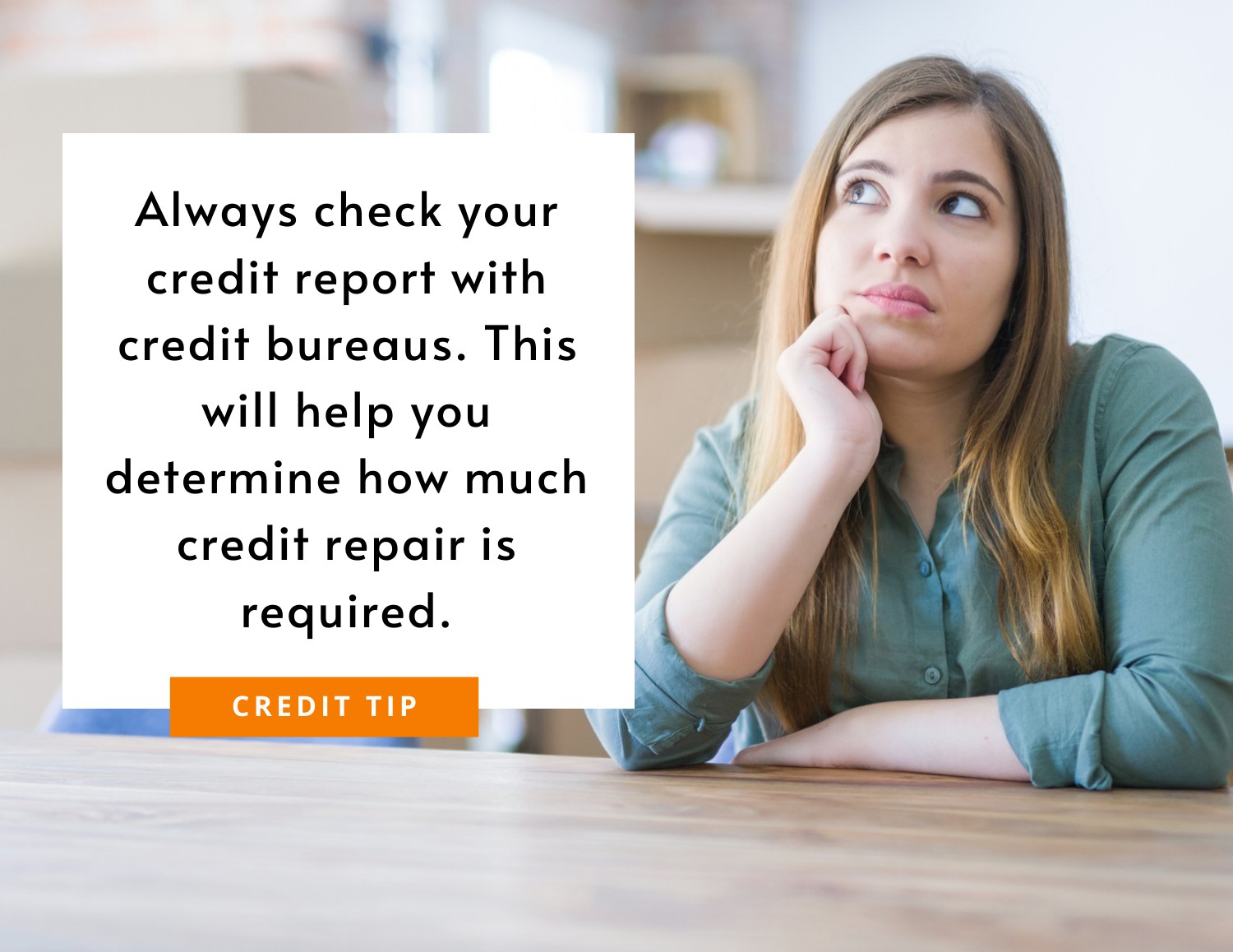 The starting point of DIY credit repair is gaining a comprehensive understanding of your credit situation. Obtain free annual credit reports from these credit bureaus—Equifax, Experian, and TransUnion. Review these reports meticulously to identify errors, inaccuracies, or negative marks impacting your credit score.
- Dispute Inaccuracies
If you find any error or inaccuracy in your credit reports—such as incorrect late payments or accounts that don’t belong to you—initiate the dispute process. Contact the credit bureau reporting the error in writing, providing evidence to support your claim. Be persistent and follow up to ensure timely resolution.
- Address Late Payments and Outstanding Debts
Focus on addressing late payments and outstanding debts. Establish a plan to catch up on any overdue payments and consistently make timely payments. Negotiate with your creditors to settle debts or set up payment plans if necessary. Timely payments have a significant impact on improving credit scores.
4. Utilize Credit Effectively
Responsible credit utilization is critical to improving your credit health. Avoid maxing out credit cards and aim for a credit utilization below 30% by keeping balances low.
5. Build a Positive Credit History
Demonstrate responsible credit behavior by establishing a positive credit history. Try to be an authorized user on someone else’s account or apply for a secured credit card, and ensure these activities are reported to the credit bureaus. Make regular, timely payments to build a positive credit track record.
- Tracking Progress
Monitor your credit reports and credit scores to track progress. Use these resources to stay informed about changes in your credit profile and identify areas needing further improvement.
- Exercise Patience
 Understand that repairing credit takes time and commitment. Improvements won’t happen overnight, but consistent, responsible financial behavior will yield positive results. Stay patient and persistent in your efforts, knowing that every positive action contributes to rebuilding your credit.
- Educate Yourself
Empower yourself with credit management, credit scores, and financial literacy knowledge. Understand the factors influencing credit scores and learn about effective credit repair strategies. Online resources, books, and financial literacy programs can provide valuable insights and guidance.
- Be Cautious of Quick Fixes
Beware of fraudulent schemes, or quick-fix promises that claim to repair credit overnight miraculously. Genuine credit repair takes effort, time, and a commitment to responsible financial habits. Avoid companies or services that guarantee unrealistic outcomes or demand hefty upfront fees.
Conclusion
Do-it-yourself credit repair is an empowering journey that allows you to control your financial well-being. Following these steps, staying informed, and remaining diligent in managing your credit can pave the way for a healthier credit profile and a more secure financial future.
Remember, while the process might have its challenges, the rewards of improved credit are well worth the effort.